


Autobio has established a full industry-chain solution for immunoassay and biochemistry reagents covering over 300 items. By leading the industry in product count, the portfolio is projected to reach 338 items by the end of 2025. In next few years, Autobio will continue its high-intensity R&D investment, aiming to expand this portfolio to over 500 items.
When we complete a CBC test, liver function tests, or await an allergen screening report, few realize the sophisticated in-vitro diagnostics (IVD) underpinning these seemingly normal medical tests. Within the IVD sector, immunoassay and biochemistry are undoubtedly main pillars. Utilizing a dual-dimensional diagnostic model of "function + mechanism," they cover over 70% of routine testing needs and command 52% of China's IVD market share, making them the main battlefield for industry competition.
Recently, the pace of innovation and market launch for IVD products is accelerating rapidly. The amount and speed of obtaining product registration certificates serve as "honor medals" signifying a company's R&D strength, system efficiency, and market foresight. In this regard, Autobio consistently demonstrates its strength through data: from 2022 to 2024, the company secured a total of 53 registration/filing certificates for immunoassay and biochemistry reagents, firmly topping the domestic IVD industry for the same period and earning the title of the industry's "King of Certificates."
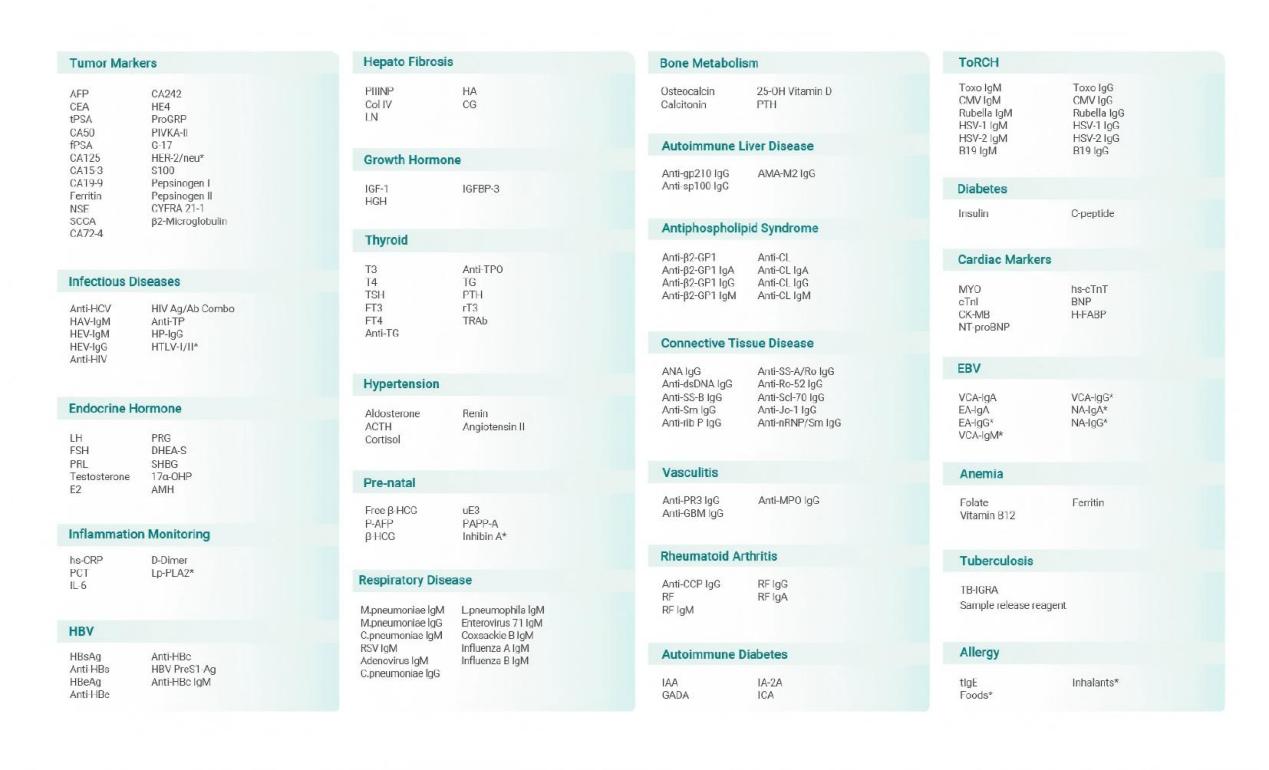
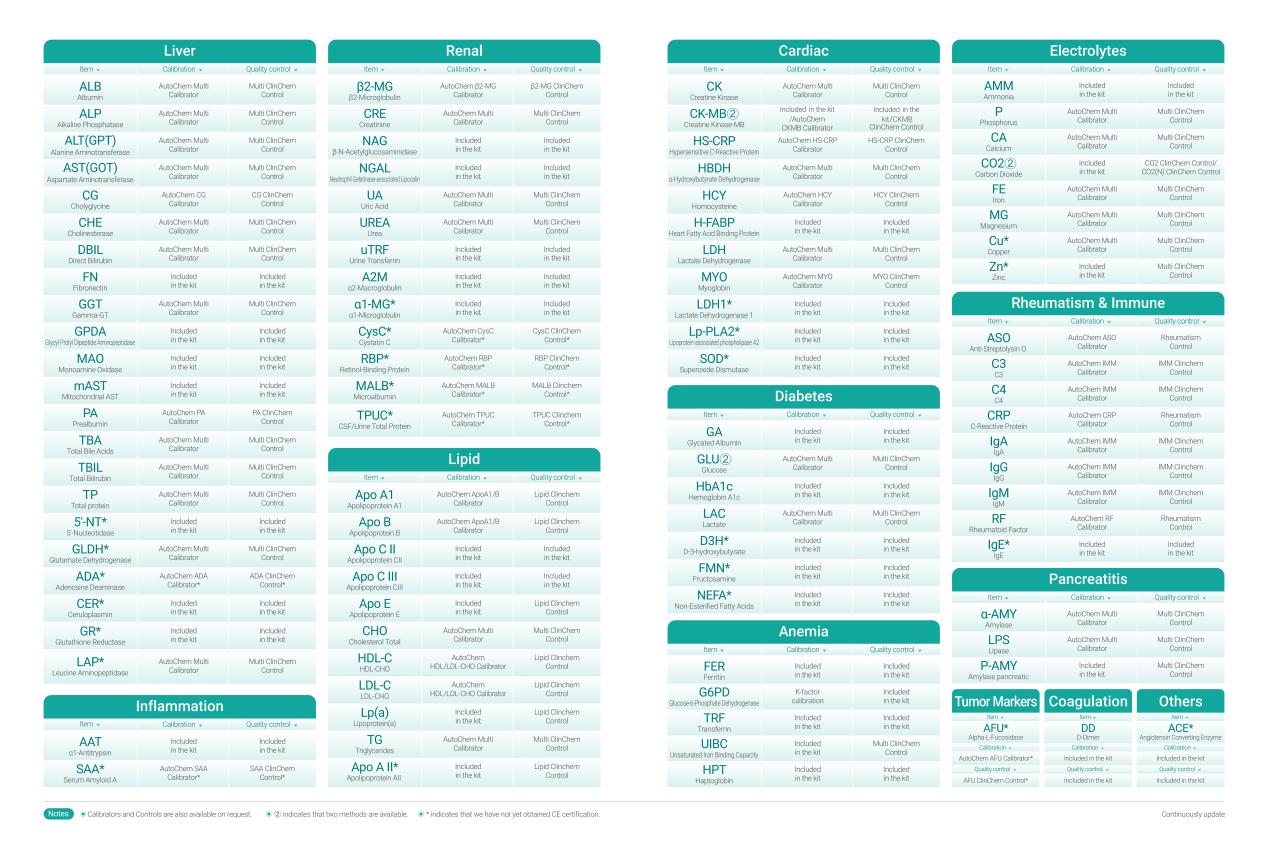
The company has a comprehensive reagent solution spanning over 300 products, holding the top position in the industry by product count. According to the plan, this number will continue to rise in the coming years. This achievement is no accident; it is the inevitable result of Autobio's sustained release of R&D momentum and a vivid reflection of its commitment to "serving clinical practice through diagnostics" and rapidly responding to clinical needs.
Wondering what powers Autobio to achieve such astounding "speed" on the track of product development and registration, forging this R&D "high-speed rail"? The answer lies in its "triple acceleration engines" for product development.
01 Year-over-year Increase in R&D Investment
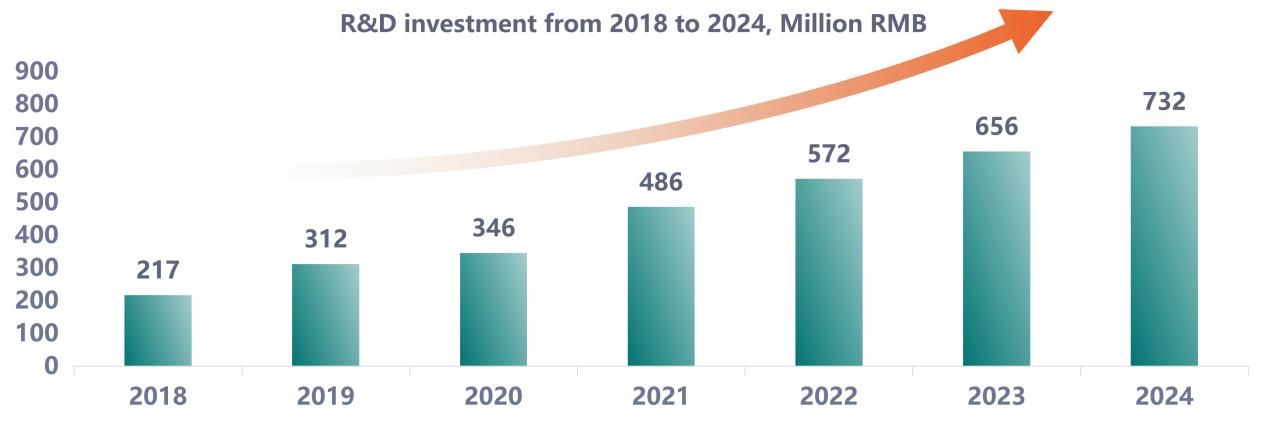
In 2024, Autobio's R&D investment reached 732 million RMB, accounting for 16.37% of its operating revenue. In the first half of 2025, R&D spending hit 350 million RMB, representing 16.99% of revenue—a new historical high. What's more, this level of investment is not a "flash in the pan"; the company has maintained an R&D-to-revenue ratio exceeding 13% for many years. In the IVD industry, characterized by high technical barriers and fast iteration, this dedication to R&D is precisely the foundation of its industry leadership. Autobio deeply understands that only continuous investment in technological innovation can seize the initiative and solidify the groundwork for future growth.
02 Efficiency Revolution of Organization
In recent years, Autobio has continuously driven the optimization and upgrade of its R&D organization, making decision-making mechanisms more flat, agile, and scientific. Meanwhile, the company has established efficient cross-functional collaboration teams, breaking down "information silos" between departments and enabling seamless connection of information and decision flows across different functional departments.
03 Comprehensive Working Process
From project evaluation and pre-research to product development, performance verification, and registration, comprehensive process optimization ensure highly efficient collaboration among R&D, production, QM, and regulatory affairs departments. This guarantees that every innovation can be translated into products with the fastest speed.
It is the combined force of these "triple engines" that enables Autobio to continuously achieve breakthroughs in strategic product development. The company is steadily advancing from traditional items like tumor markers and infectious disease testing into emerging fields such as autoimmunity, allergens, and fungal detection, and leaping from traditional testing platforms to precision platforms like sequencing and mass spectrometry. This continuously expands the depth and breadth of its products, providing clinicians with precise and diversified solutions.
In autoimmunity and allergen fields, Autobio adopts a "China-US Joint R&D" model—establishing an R&D center in the US to attract senior experts in autoimmunity and allergy testing, who collaborate closely online and offline with the domestic team. The US team brings internationally cutting-edge technological ideas and R&D experience, while the domestic team provides practical data and patient characteristics. This complementary synergy has yielded significant results in optimizing sensitivity and specificity. Additionally, the rich sample resources in the US (covering complex cases across different ethnicities and environments) allow products to undergo extensive clinical validation, adapting to diverse clinical demands. This model has facilitated the rapid development of related products with quality reaching international advanced levels.
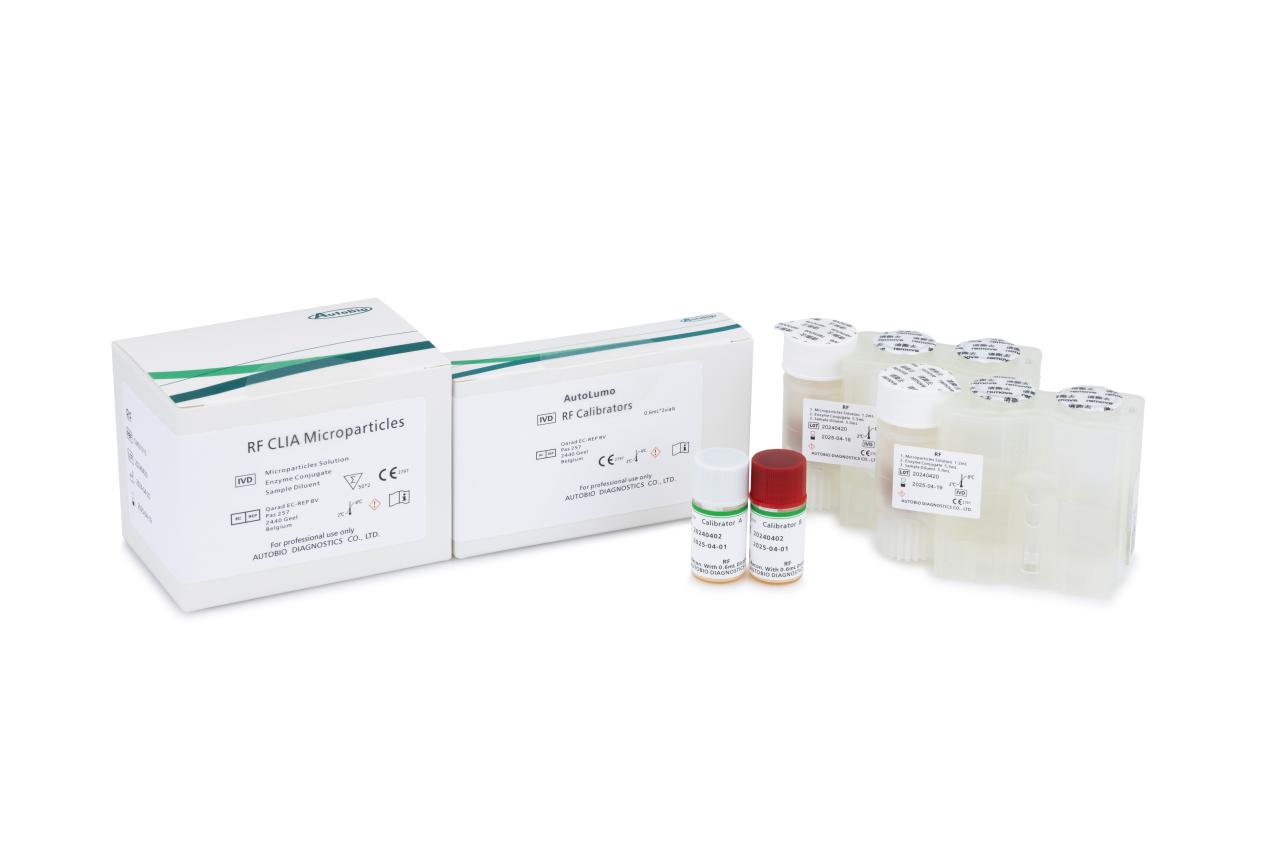
Now, Autobio has obtained registration certificates for 33 autoimmune series products, successfully entering the autoimmune testing field. Its allergen series has also completed registration acceptance for 27 products. Products like the Total IgE Kit, and the Dust Mite & Mugwort Allergen-Specific IgE Antibody Kits have been approved, with the remaining 20+ items launched in the second half of 2025, offering more precise and varied testing options for allergy patients.
In fungal detection, based on CLIA-Micro technology, Autobio is about to launch a series of solutions. This series will be the world's first high-throughput, fully automated fungal product, requiring no manual pre-treatment of samples and enabling automated detection on a single instrument. It adapts to various application scenarios: microbiology labs can pair it with AutoLumo A1860/S900, while clinical chemistry labs can use it with AutoLumo A6200 and TLA.
This product overcomes challenges in developing fungal carbohydrate antibody assays. Utilizing a double-antibody sandwich, it represents a disruptive upgrade over traditional Limulus amebocyte lysate (LAL) based fungal detection, offering high-sensitivity quantitative detection, the shortest detection time, and minimal sample volume. It allows for combined detection with other infection diseases on Autobio platform. The company also actively participates in the development and calibration of national reference materials for Cryptococcus and Aspergillus, establishing a leading domestic fungal standard strain library covering international standard strains such as Cryptococcus (including 9 genotypes of clinical isolates), Candida, and Aspergillus, ensuring product quality.
As of October 2025, the company has obtained three product registration certificates: BDG: Fungal (1-3)-B-D Glucan Kit (CLIA), GM: Aspergillus Galactomannan Kit (CLIA), and Asp-IgG: Aspergillus IgG Antibody Kit (CLIA). In 2026, Autobio will launch products for Cryptococcal Capsular Polysaccharide(CrAg), Candida Mannan(CaAg), and Candida IgG(Can-IgG), providing one-stop coverage for common fungal pathogens. This heralds a new era of efficiency and precision in fungal detection.
From biochemistry and immunoassay to emerging fields like autoimmune, allergy, and fungal detection; from traditional testing platforms to precision platforms like sequencing and mass spectrometry—every breakthrough is rooted in its mission: "Committed to the promotion and advancement of medical laboratory technology, dedicated to serving human healthcare." It not only drives continuous breakthroughs in technological innovation but also propels the company's in-depth strategic layout and persistent cultivation within the IVD field. Today, on this endless journey of the R&D "high-speed rail," Autobio consistently writes its own story of speed with perseverance and innovation. This R&D "high-speed Railway" continues at full speed towards an even brighter future!


Address: NO.87 Jingbei Yi Rd, National Eco&Tech Zone, Zhengzhou, China
Email: info@autobio-diagnostics.com Tel: +86-371-6200-7036
Autobio Copyright Reserved for ICP 18006568. All Rights Reserved.
 Select Market or Language


